





When selecting WPC (Wood Plastic Composite) decking for a project, buyers are often faced with a fundamental choice right from the start: hollow or solid core profiles. While they may look similar on the surface, this internal structural difference significantly impacts performance, cost, and ideal application areas. This guide will explore the differences between hollow and solid WPC decking to help you make an informed decision.
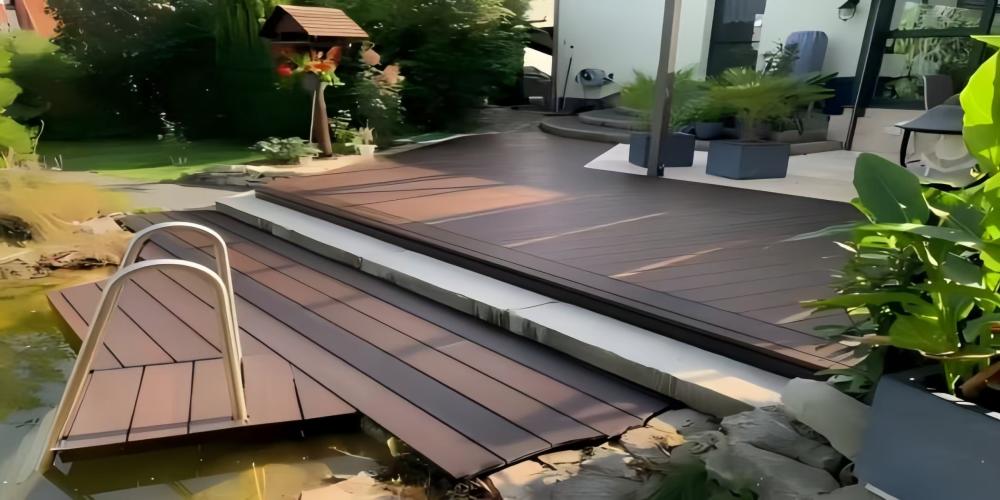
Understanding the Core Difference: Structure Defines Application
The primary classification of WPC boards lies in their cross-sectional design. Hollow profiles feature a multi-chambered, lightweight structure, while solid profiles are, as the name suggests, completely dense. This simple difference dictates their strengths and best-use scenarios.
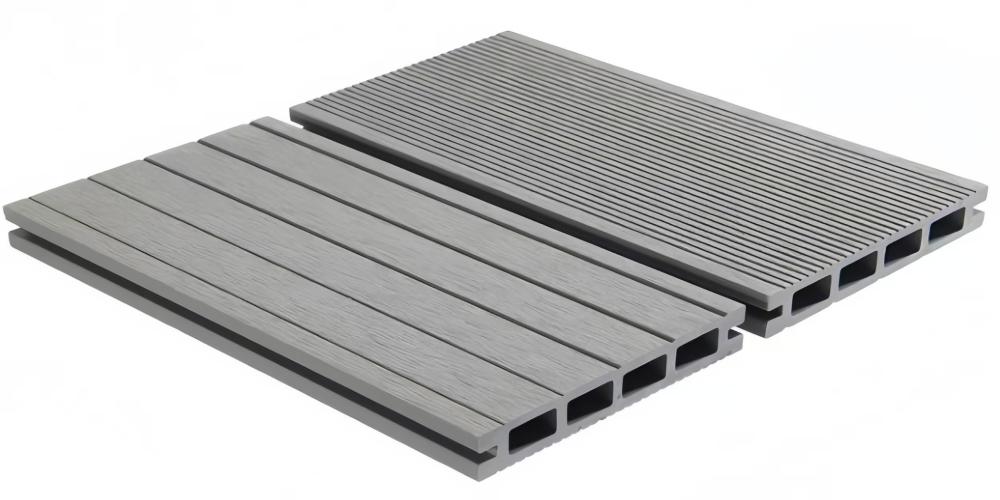
The Strength and Premium Performance of Solid WPC Decking
Solid WPC decking is renowned for its exceptional strength and durability. The dense core provides superior load-bearing capacity, making it the ideal choice for high-traffic commercial applications. Its increased density also contributes to enhanced resistance against impacts and extreme weather conditions.
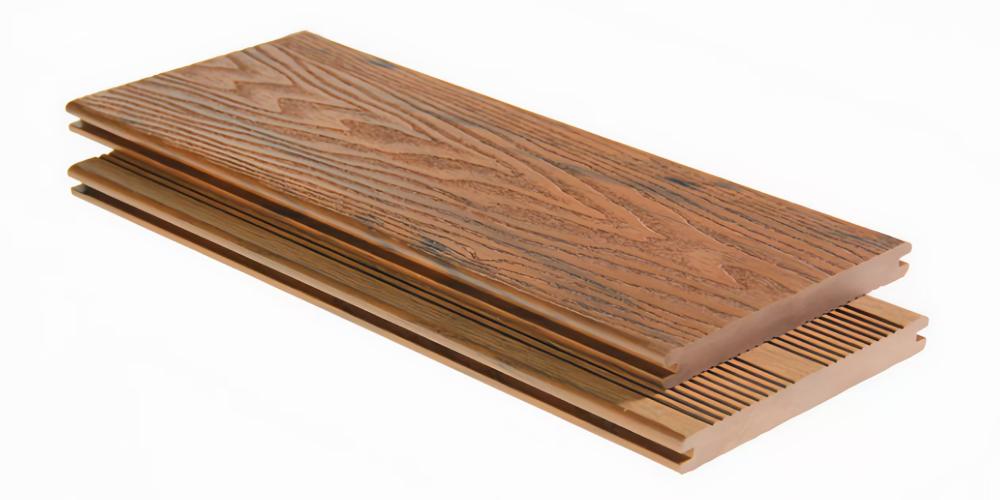
Choosing the Right Surface: Co-extruded vs. Non Co-extruded
Beyond the core, the surface technology is crucial for longevity. Standard non co-extruded WPC has a realistic wood-grain texture but is more susceptible to surface wear over time. For superior protection, We recommends co-extruded WPC. This advanced type features a durable polymer cap layer that provides outstanding resistance to moisture, UV rays, stains, and mildew, ensuring the deck retains its beauty for years with minimal maintenance.
